10 Best Warehouse Vacuum Sweepers for Efficient Cleaning Solutions?
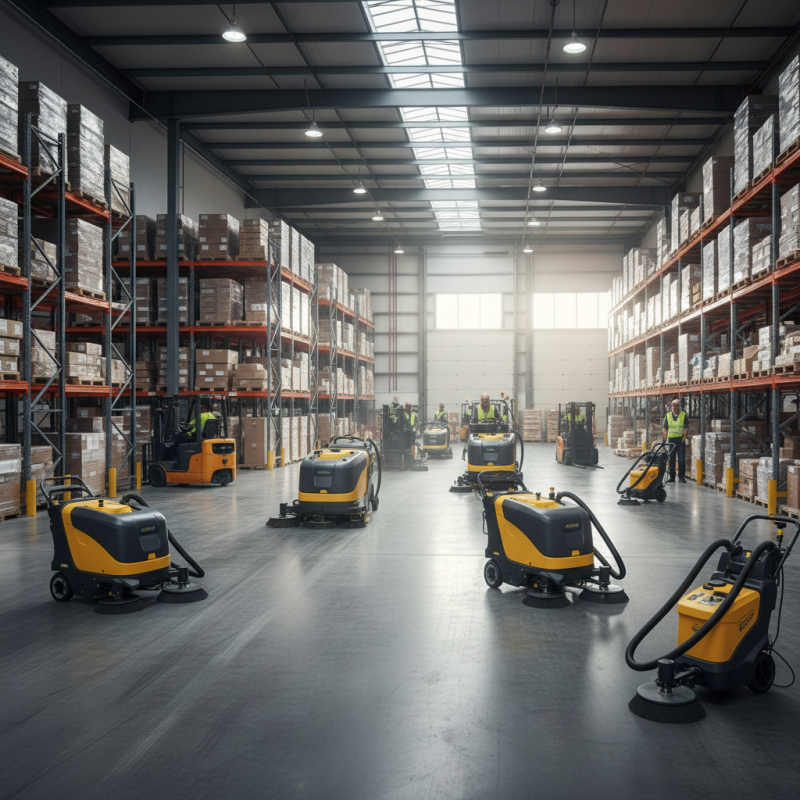
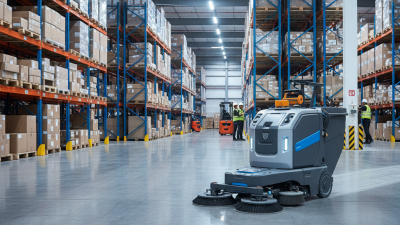
Cleaning large warehouse spaces can be a daunting task. A reliable Warehouse Vacuum Sweeper is essential for maintaining efficiency and cleanliness. These machines are designed to handle debris, dust, and other contaminants found in industrial environments.
In a busy warehouse, every detail matters. Choosing the right vacuum sweeper can lead to significant improvements in productivity. It helps keep areas safe and organized, reducing potential hazards. However, not all warehouse vacuum sweepers are created equal. Some may lack the power needed for heavy-duty cleaning. Others could be too large to navigate tight spaces efficiently.
As we explore the best warehouse vacuum sweepers, it's vital to consider their features and functionality. Some machines shine in maneuverability but struggle with suction power. Others boast great suction but may be cumbersome to operate. Striking a balance is key to making an informed decision.
Top Features to Consider in Warehouse Vacuum Sweepers
When selecting warehouse vacuum sweepers, several key features deserve attention. First, consider the type of surface. Concrete, asphalt, and tiled areas may require different cleaning mechanisms. Vacuum sweepers should handle various debris types, from dust to larger waste items. It's essential to choose a model with strong suction power and efficient filtration systems. This ensures minimal dust re-entry into the environment.
Another critical factor is maneuverability. Warehouses often contain tight spaces and obstacles. A vacuum sweeper should be compact enough to navigate around pallets and shelving. Additionally, examine the machine's operation time. Battery-powered models need sufficient run time for larger spaces. Their charging time should not hinder operational efficiency. A short-lived battery can disrupt cleaning schedules, leading to unsatisfactory results.
Finally, think about maintenance. Some vacuum sweepers require regular upkeep, while others are more user-friendly. A model that's tough to maintain might end up in the corner, gathering dust itself. It's wise to reflect on the long-term costs associated with these machines. Cheaper options might not always deliver good value. Investing in a reliable model could save time and resources in the long run.
Comparison of Different Types of Warehouse Vacuum Sweepers
When considering warehouse vacuum sweepers, various types cater to specific needs. The most common options include
ride-on sweepers, walk-behind models, and
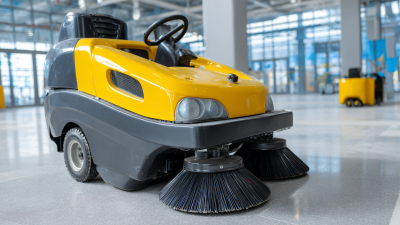
industrial vacuums. Ride-on models are ideal for large spaces. They offer speed and
efficiency. However, they might struggle in tighter areas. Walk-behind sweepers provide more maneuverability, suitable
for smaller spaces. They are user-friendly but may require more physical effort.
Industrial vacuums, on the other hand, excel in tackling debris and fine dust. They often have powerful suction but can
be heavy and less portable. Each option presents unique pros and cons, requiring careful selection based on the
warehouse layout and cleaning requirements.
Tips for choosing the right sweeper involve assessing the warehouse size. Evaluate the types of debris
commonly found. Make sure to consider the maintenance needs of each model, too. A vacuum that is easy to maintain
often saves time and money in the long run. Another tip is to check the noise levels. A quieter vacuum
creates a better working environment. Don't overlook user comfort. The right handle height and control placement can make
a difference during long cleaning shifts.
Industry Standards for Warehouse Cleaning Efficiency and Performance
When it comes to warehouse cleaning, efficiency and performance are key. Keeping large spaces clean is crucial for safety. A dirty floor can lead to accidents. It can also impact productivity. Using effective vacuum sweepers is essential. These machines can handle debris and dust. They save time and labor costs.
Industry standards focus on several factors. Cleaning efficiency is measured by how much area can be covered. It is also about how thoroughly debris is removed. Performance is linked to the machine's power and filtration system. A good vacuum sweeper should minimize noise. Respecting the work environment matters, too. Employees need a clean, safe place to work.
There's always room for improvement. Not every machine meets every need. Some might struggle with larger debris. Others may not be suited for fine dust. Regular assessments help identify gaps in cleaning processes. Tracking the cleaning outcomes allows for adjustments. Efficient cleaning isn't just about having the right tools; it's also about the strategies used. This leads to more effective maintenance routines.
Impact of Vacuum Sweeper Technology on Operational Costs
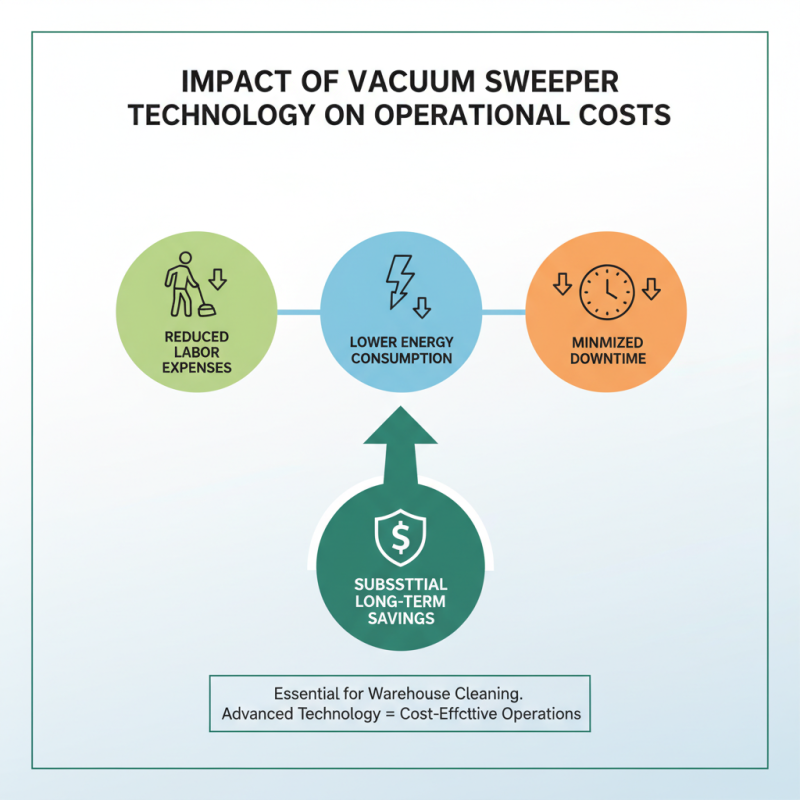
Vacuum sweepers have evolved into essential tools for warehouse cleaning operations. Their advanced technology significantly impacts operational costs. Effective models reduce labor expenses, energy consumption, and downtime. Investing in a quality vacuum sweeper can yield substantial long-term savings for businesses.
Consider these tips to maximize efficiency. Regular maintenance is crucial. A well-maintained sweep improves performance. Check filters and brushes often. Don't overlook minor repairs; they can escalate if ignored. Training staff on proper usage is key. Misuse can lead to frequent breakdowns and higher costs.
Also, assess your space. Different models cater to varying environments. A compact sweeper might be ideal for narrow aisles, while larger areas benefit from industrial-grade units. Gauge the frequency of cleaning needed. Overuse can increase wear and tear, affecting both costs and performance. Reflecting on these practices can refine your cleaning strategy and lower expenses.
Case Studies: Successful Implementations of Vacuum Sweepers in Warehouses
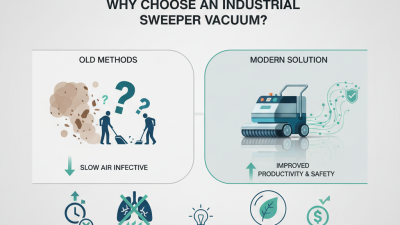
Warehouse environments can be incredibly challenging to maintain. One notable case involved a large distribution center struggling with dust and debris. Traditional cleaning methods were time-consuming and inefficient. This facility decided to implement vacuum sweepers. The results were surprising yet not without difficulties.
Initially, the vacuum sweepers caused minor disruptions to daily operations. Staff found the machines cumbersome at first. However, after adjusting their cleaning schedules, efficiencies improved dramatically. The floors sparkled, and staff reported feeling more productive in a cleaner environment. Another case came from a manufacturing plant. Their vacuum sweepers were integrated into regular maintenance routines. While the initial investment seemed high, the long-term benefits became apparent.
Not every implementation runs smoothly. In one situation, a team faced frequent breakdowns. These were due to poor operator training. Issues like these highlight the need for proper onboarding. The right training can maximize the benefits of vacuum sweepers. Ultimately, these case studies indicate that while vacuum sweepers promise efficiency, their success hinges on thoughtful deployment and staff buy-in.
10 Best Warehouse Vacuum Sweepers for Efficient Cleaning Solutions
| Model |
Cleaning Path Width (inches) |
Vacuum Power (HP) |
Weight (lbs) |
Dust Capacity (gallons) |
Run Time (hours) |
Noise Level (dB) |
| Model A |
30 |
5 |
150 |
10 |
2 |
85 |
| Model B |
36 |
6 |
160 |
12 |
1.5 |
88 |
| Model C |
28 |
5.5 |
140 |
15 |
2.5 |
80 |
| Model D |
34 |
7 |
180 |
11 |
2 |
90 |
| Model E |
32 |
5 |
135 |
9 |
2.2 |
84 |

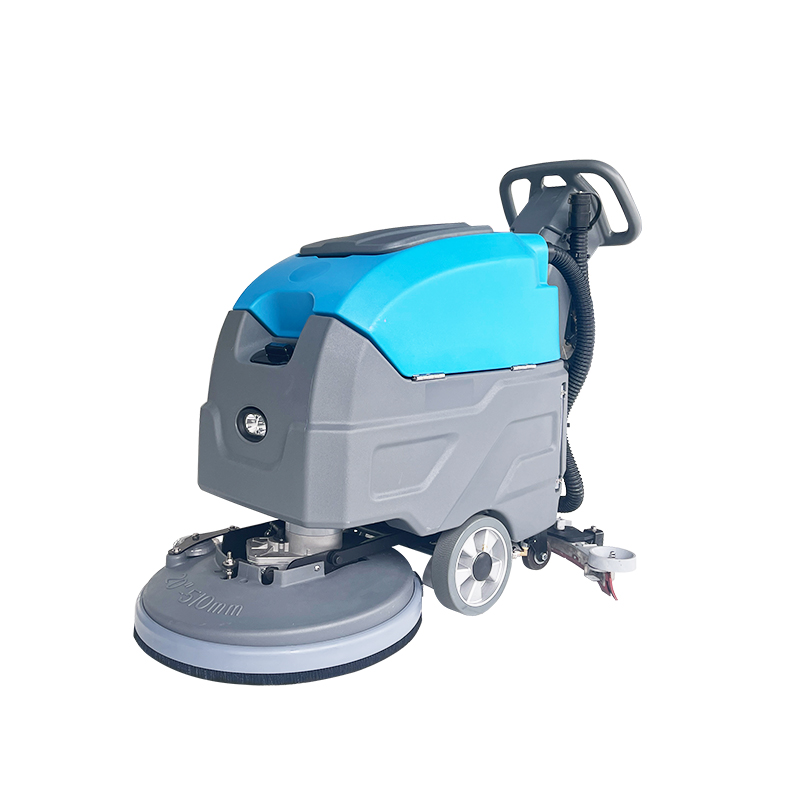 Floor Scrubber
 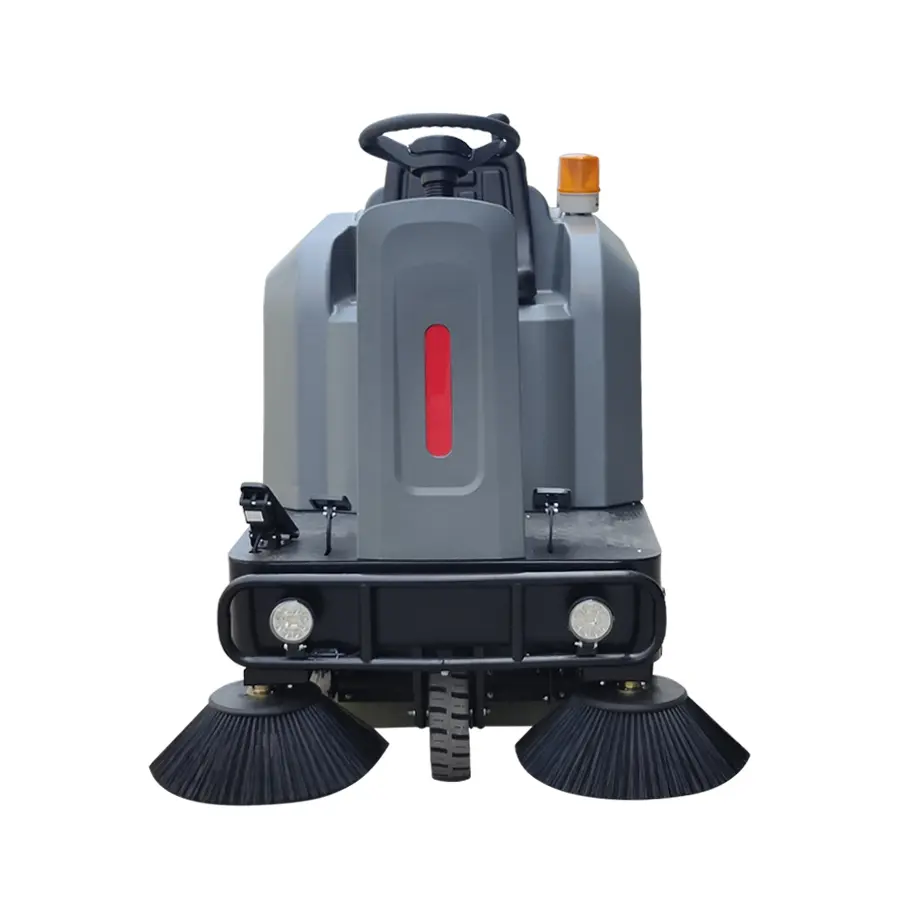 Floor Sweeper
 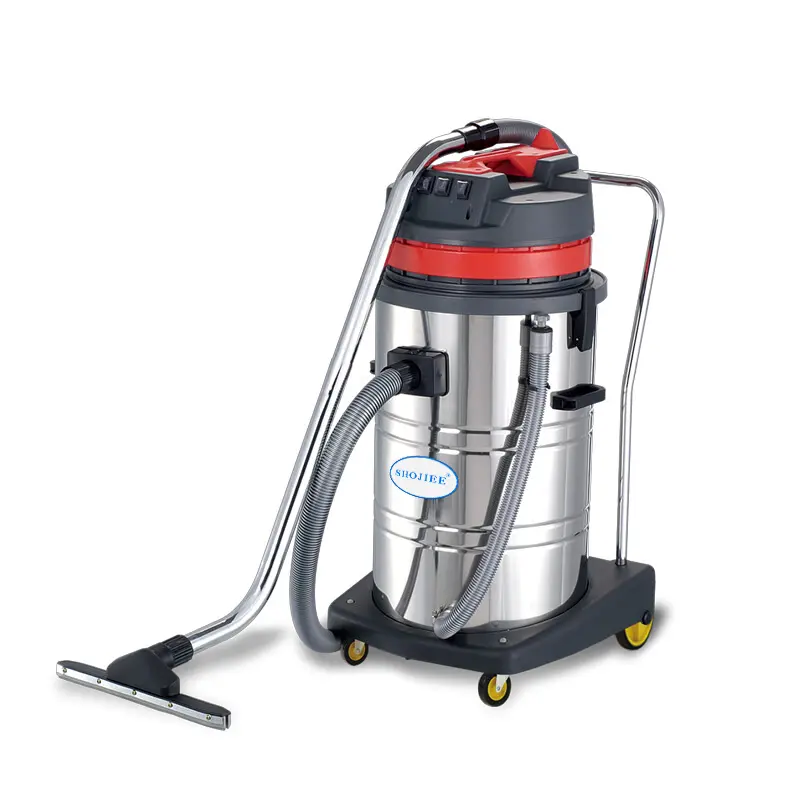 Vacuum Cleaner
 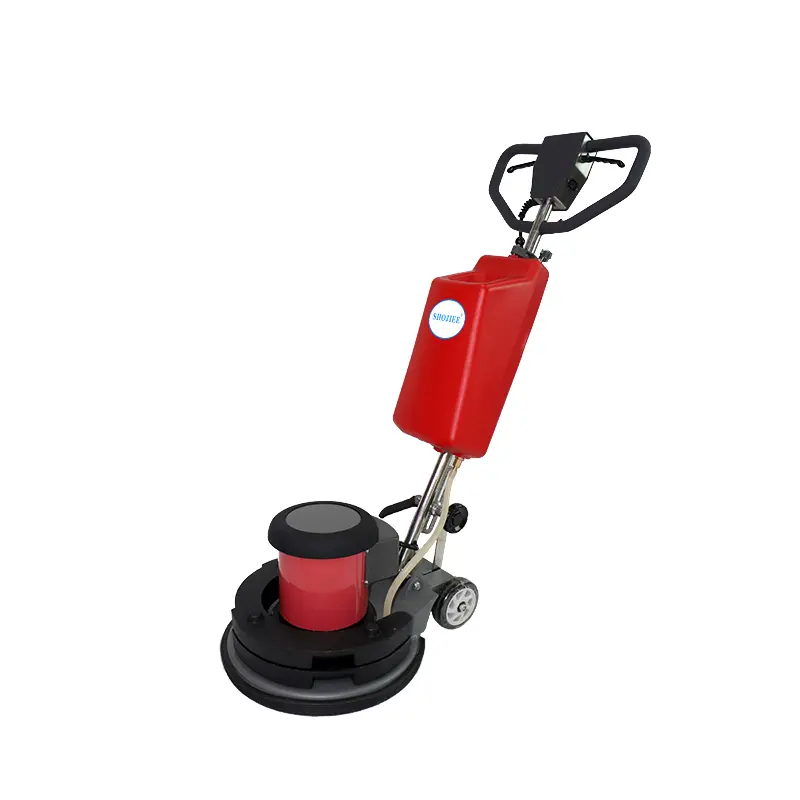 Hotel Cleaning Equipment