In the realm of industrial cleaning, the choice of an Industrial Floor Scrubber Machine can significantly impact efficiency and cleanliness. According to Daniel Greene, a leading expert in industrial cleaning solutions, “Selecting the right scrubber can transform your workspace.” His insights emphasize the importance of making informed choices in this area.
When faced with numerous options, the decision may seem overwhelming. Factors such as size, capacity, and cleaning technology play vital roles. Understanding your facility’s specific needs is essential. For example, a large warehouse requires different features than a small retail space. Many users overlook the importance of maintenance. A machine that’s easy to service can save time and costs in the long run.
Moreover, it’s crucial to consider user feedback. Sometimes, the most advertised models may not meet real-world demands. Balancing price and quality can lead to compromises. It's essential to reflect on what features truly enhance your workflow. The right Industrial Floor Scrubber Machine should not just clean but also boost productivity.
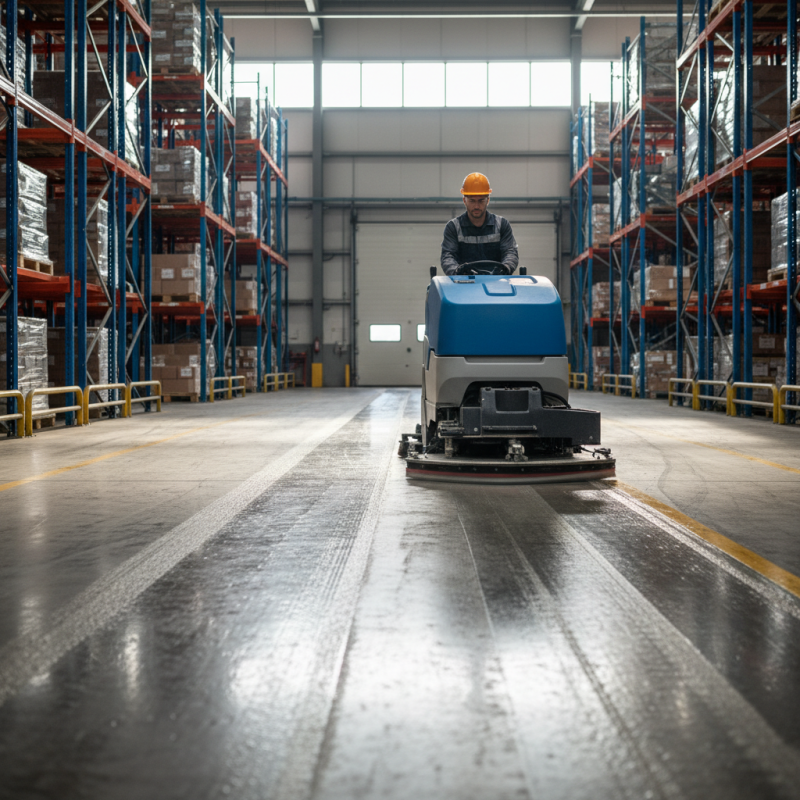
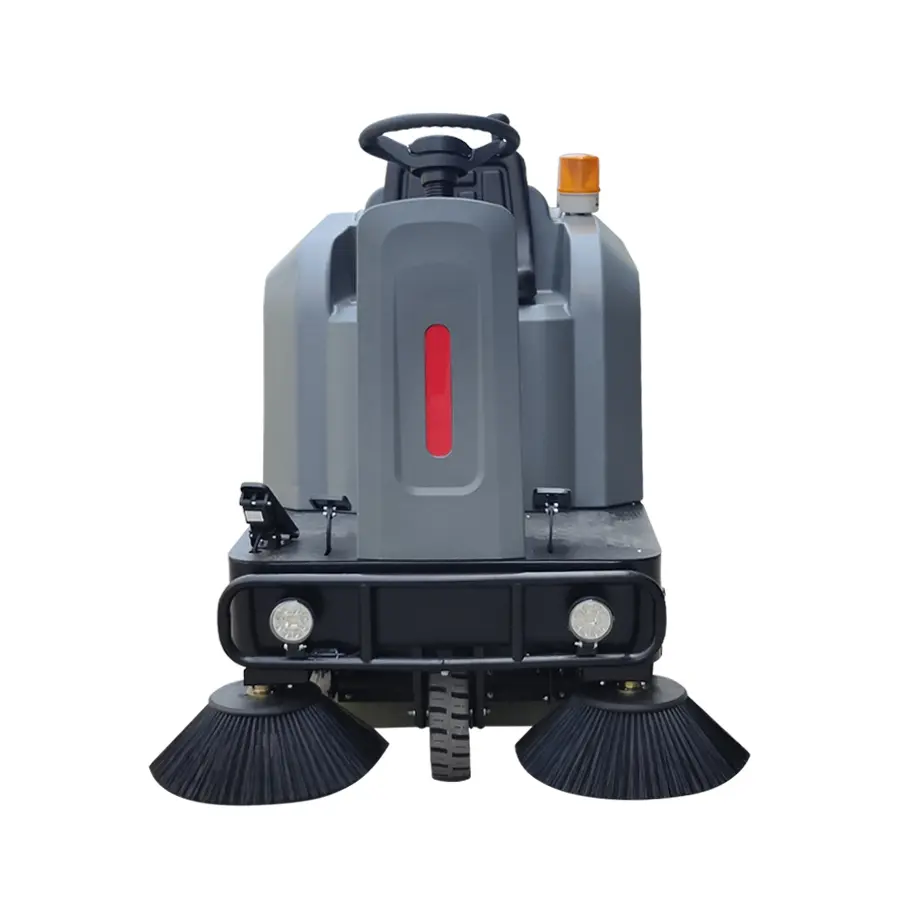
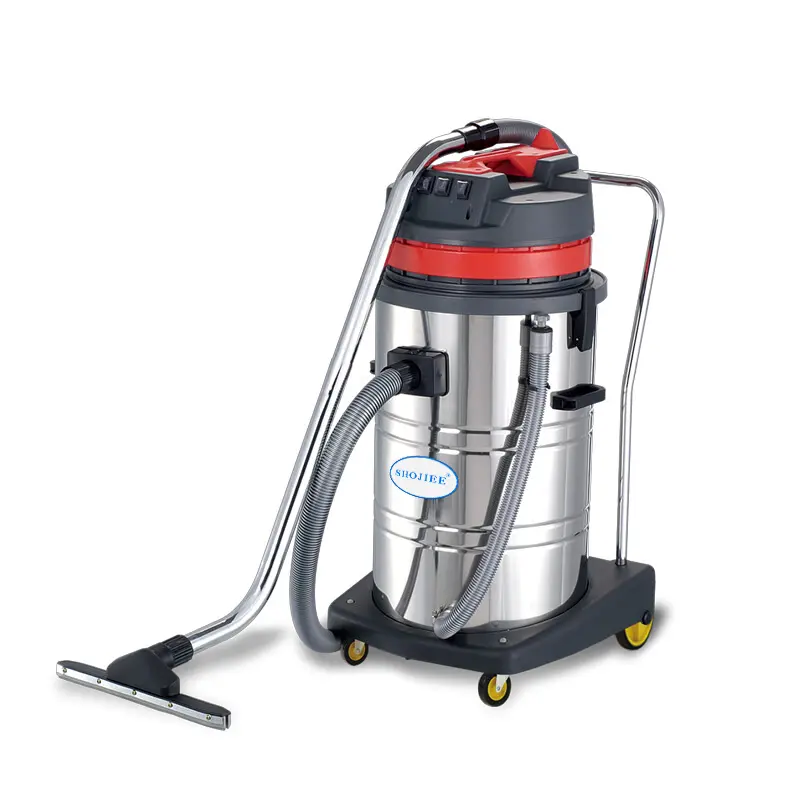
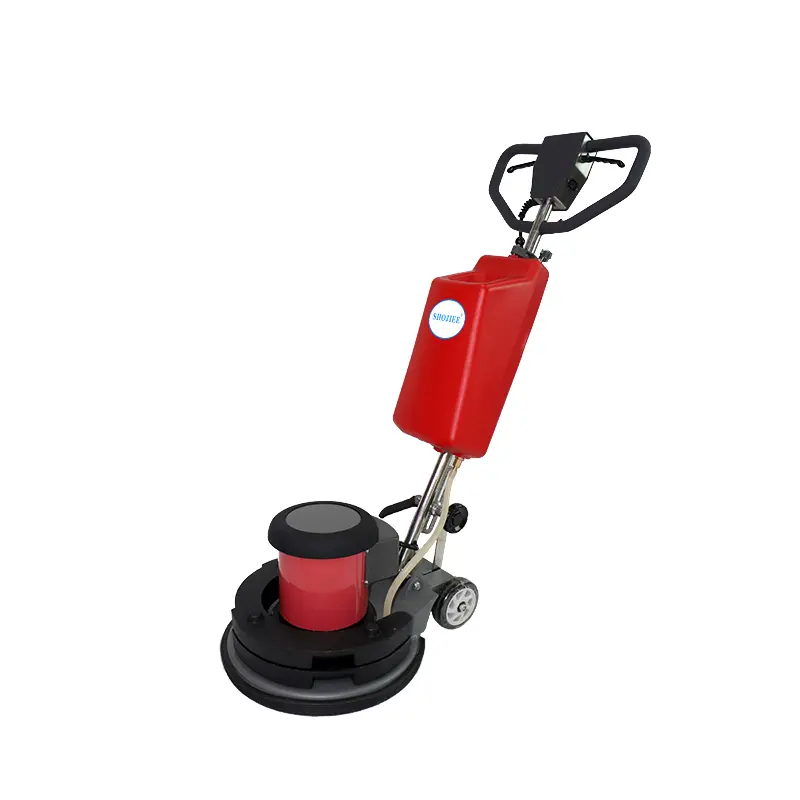
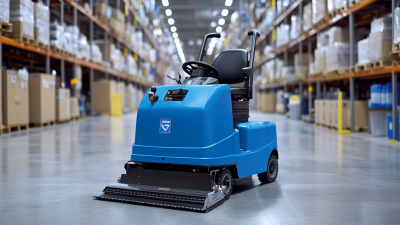
When selecting an industrial floor scrubber machine, it's essential to understand the different types available. There are three primary categories: walk-behind, ride-on, and automated scrubbers.
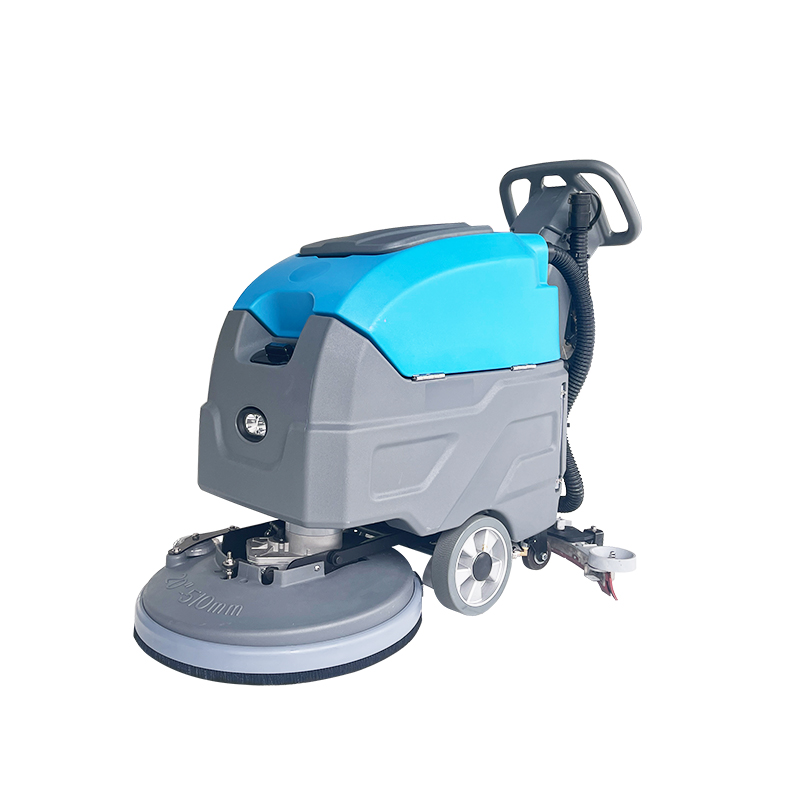
Walk-behind models are ideal for smaller areas and are often more affordable. Ride-on units cover larger spaces efficiently but may require more maintenance. Automated scrubbers are innovative, reducing labor costs, yet they may have a higher upfront investment.
Tips for choosing the right scrubber involve assessing your facility's specific needs. Consider the floor type and size. Data shows that 75% of facilities report significant efficiency improvements with the right equipment. Factor in water and cleaning solution usage. Some machines can reduce water usage by up to 50%, which is crucial for sustainable operations.
Another point to reflect on is user training. Inadequate training can lead to improper use, diminishing the machine’s effectiveness. Despite having advanced technology, some operators may struggle without proper guidance. Balancing technology with hands-on skills is often overlooked. Emphasize ongoing training to ensure optimal performance and safety.
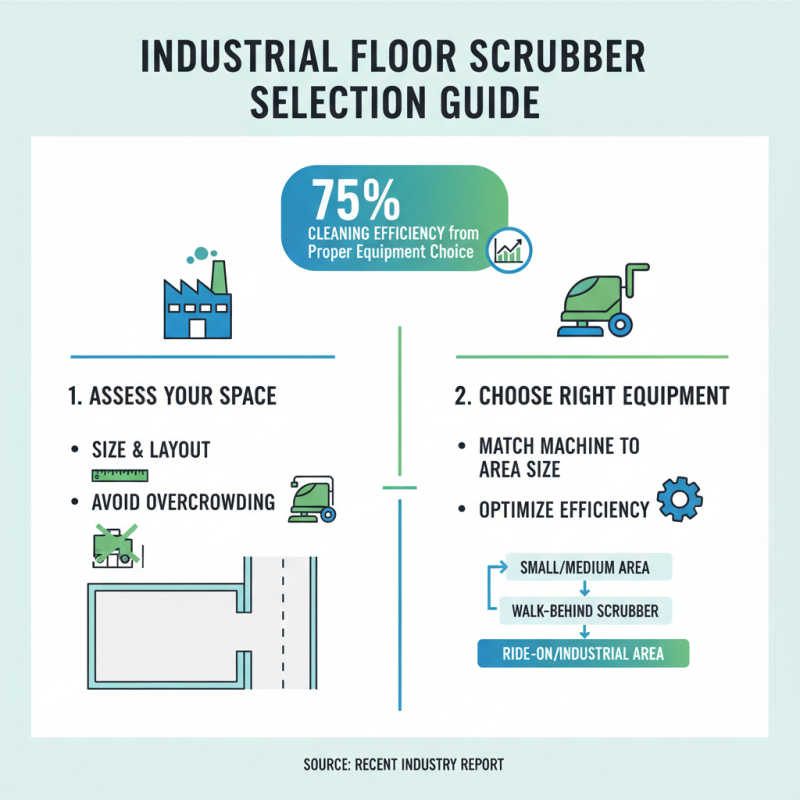
When selecting an industrial floor scrubber machine, it's crucial to consider the size and layout of your cleaning area. A recent industry report highlights that nearly 75% of cleaning efficiency is determined by proper equipment choice, making this an essential step. Assessing the dimensions of your space allows you to choose a scrubber that fits perfectly, avoiding the pitfalls of overcrowding or inefficiency.
Consider the design of your workspace. Narrow aisles, tight corners, and open areas all demand different scrubber styles. A missized machine can lead to wasted time and effort. If your cleaning area totals an impressive 10,000 square feet, for instance, the scrubber must have adequate capacity to handle such expanses without having to stop frequently for water refills. Remember, the right machine should not only fit your space but also meet the specific demands of your operations.
Additionally, reflect on the flow of your cleaning routine. An awkward layout can interfere with workflow, leading to frustration. Each cleaning session should feel seamless, not like a puzzle. An ideal scrubber will navigate easily, maximizing efficiency. Investing time in evaluating your area now may save you from costly adjustments later.
When selecting an industrial floor scrubber, cleaning efficiency and performance features are critical considerations. First, assess the machine's scrubbing power. A robust cleaning mechanism will remove stubborn dirt and stains effectively. Check the brush type and agitation level, as they significantly impact the cleaning action. More agitation can mean better results but may also increase wear on the floor surface.
The cleaning solution system should be efficient and versatile. Ensure the scrubber allows for easy adjustments in chemical dosing. This feature saves money while minimizing environmental impact. Additionally, look at the water recovery system. A machine that captures more dirty water leads to cleaner floors and less slip hazard. However, some machines struggle with recovery efficiency, which can leave behind residue. This is a crucial aspect often overlooked in evaluations.
Battery life and recharge time are also important. A machine with long operational hours can boost productivity. Yet, some models might fall short in real-world scenarios, leading to unexpected downtime during cleaning sessions. Always consider how the machine will perform under your specific conditions.
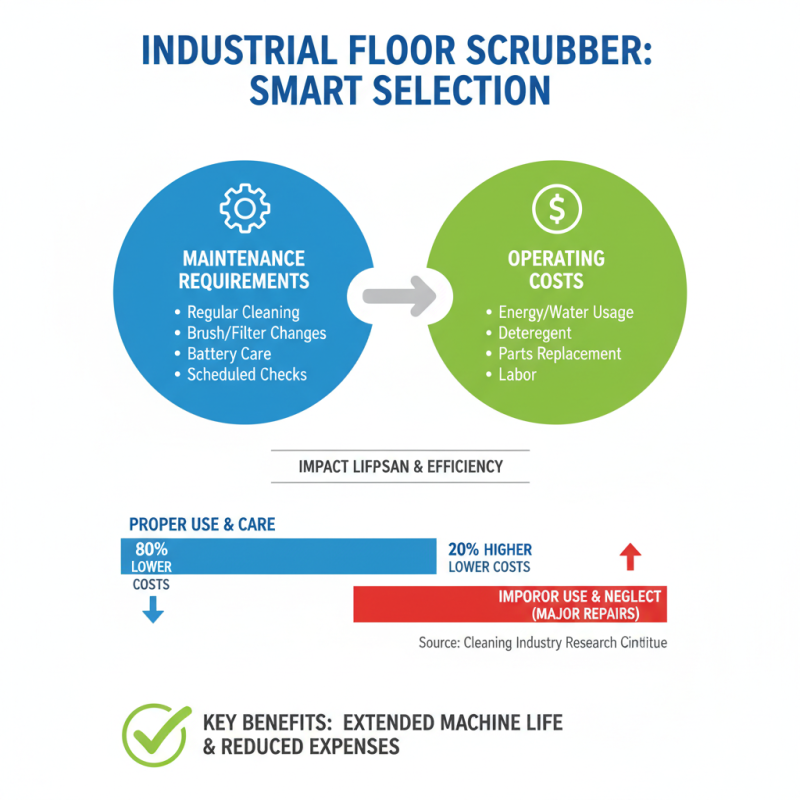
When selecting an industrial floor scrubber, maintenance requirements and operating costs are crucial. Regular maintenance can greatly affect the lifespan of the machine. According to a report by the Cleaning Industry Research Institute, approximately 20% of maintenance costs arise from improper use and lack of care. Basic tasks like changing brushes and filters can prevent major repairs.
Operating costs also play a significant role in the decision-making process. Energy consumption varies widely among models. A study found that machines with efficient motors could reduce energy costs by up to 30%. If a machine uses excessive water and chemicals, costs add up quickly. It's important to consider whether a scrubber can efficiently use resources while still delivering consistent cleaning power.
Balancing these factors is complex. Some machines may seem cheaper initially but result in higher costs over time. For instance, high maintenance needs can lead to extended downtime, which hampers productivity. Keeping these factors in mind can lead to a smarter investment.
When selecting an industrial floor scrubber, the decision between manual and automatic options can be challenging. Manual scrubbers require physical effort. They are often more affordable upfront. However, they can be tiring for staff. In larger spaces, this could lead to quicker fatigue and lowered productivity.
On the other hand, automatic scrubbers perform the cleaning with minimal user involvement. They navigate independently, covering more ground efficiently. This aspect can significantly reduce labor costs and time spent on cleaning tasks. Yet, they usually have a higher initial investment. It's essential to weigh these factors carefully, as the best choice depends on your facility's size and cleaning requirements.
Also, consider the maintenance needed for both types. Manual scrubbers often have fewer moving parts. However, automatic machines can demand more frequent servicing. Reflect on your team's capacity to handle either option effectively. Evaluating these details will lead to a more informed choice.
| Tip Number | Tip Description | Manual Scrubber | Automatic Scrubber |
|---|---|---|---|
| 1 | Consider the size of the area to be cleaned. | Best for smaller, confined spaces. | Ideal for large areas, more coverage. |
| 2 | Evaluate your budget for the purchase. | Generally lower cost. | Higher upfront investment but may save on labor. |
| 3 | Assess the type of flooring in your facility. | Suitable for various surfaces with manual control. | Recommended for even surfaces; may not work on uneven floors. |
| 4 | Check for features like battery life and capacity. | Dependent on manual handling. | Often has longer battery life and larger tanks. |
| 5 | Think about the operator's comfort and usability. | Manual scrubbing may require more physical effort. | Usually easier to operate with less physical strain. |
| 6 | Maintenance requirements should be considered. | Maintenance may be simpler with fewer moving parts. | May require more specialized maintenance. |
| 7 | Consider the noise level of the machine. | Typically quieter and less disruptive. | Can be noisier, especially with larger models. |
| 8 | Look for energy efficiency ratings. | Typically lower energy consumption. | More efficient in large-scale cleaning. |
| 9 | Think about training needs for staff members. | Minimal training required. | May require thorough training for effective use. |
| 10 | Evaluate warranty and customer support options. | Limited warranty options. | Often includes comprehensive support services. |