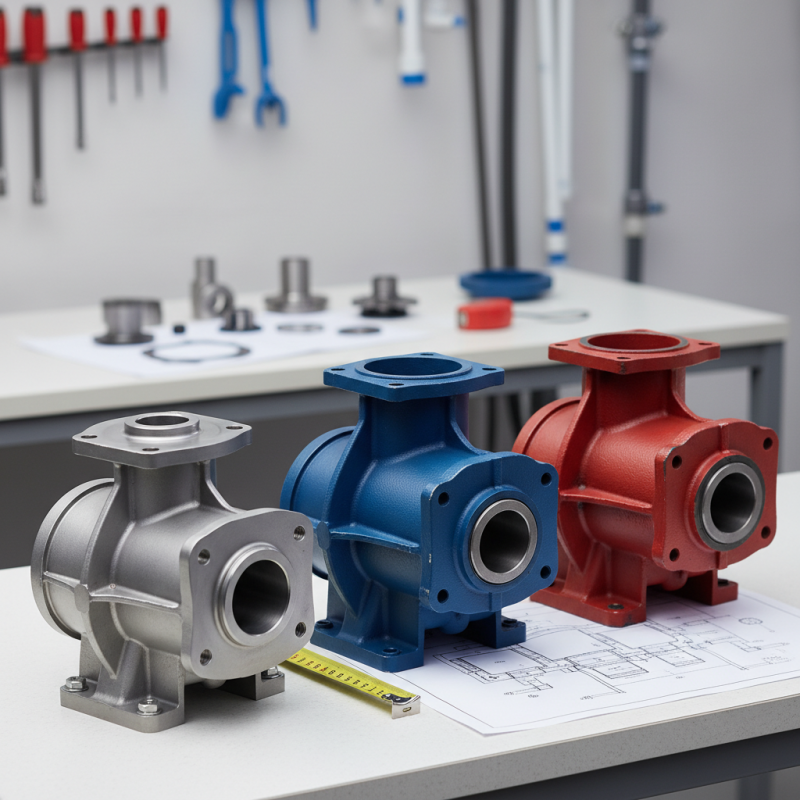
How to Choose the Right Water Pump Casing for Your Needs?
Choosing the right water pump casing is crucial for ensuring optimal performance. It protects the pump from external factors and enhances efficiency. Various types of casings are available, each serving different applications.
Understanding how material affects durability is vital. Stainless steel might resist corrosion better, while plastic is lightweight. But remember, weight can impact installation. Some projects demand heavy-duty options, while others don’t need that level of strength.
Consider your specific needs carefully. Often, people overlook the importance of compatibility with existing systems. It's essential to double-check measurements and fittings. A mismatch can lead to frustration and extra costs. Selecting the wrong water pump casing can result in inefficiencies, making it crucial to reflect on your requirements.
Understanding the Types of Water Pump Casings Available in the Market
When selecting a water pump casing, understanding the different types available is essential. Casings vary in material, size, and design. Common materials include plastic, stainless steel, and cast iron. Each material has its pros and cons. Plastic is lightweight and resistant to corrosion. However, it may not endure extreme conditions. Stainless steel offers durability and rust resistance. But, it can be heavier and more expensive. Cast iron is sturdy but can be prone to rust if not maintained properly.
The design of the casing also plays a vital role. Some are open, allowing easy access for maintenance. Others are sealed, providing better protection against environmental factors. An open design may simplify repairs. However, it might expose components to dust and moisture. A sealed design can keep the inner workings safe but may complicate maintenance. Buyers often overlook the balance between access and protection when making a choice.
Sizing is crucial, too. A too-small casing may lead to overheating. A casing that’s too large can waste energy and space. It’s essential to match the casing size with pump specifications. Many people forget this detail and face issues later. Focus on your specific needs. Consider the environment where the pump will be used. Make a note of potential challenges. This will help ensure you choose wisely.
Identifying Your Specific Requirements for Water Pump Applications
When choosing a water pump casing, identifying your specific requirements is crucial. What will the water pump be used for? Applications vary widely, from agriculture to residential use. Each scenario requires different casing materials and designs. For instance, a casing for industrial settings may need to withstand higher pressures and corrosive materials. In contrast, a residential setup might call for lightweight and durable options. Assessing these factors will guide your decision.
Consider the environment where the pump will operate. Submersible pumps require rugged casing to handle underwater conditions. A casing that struggles with debris can lead to frequent maintenance. Pay attention to the size as well; a casing too large or too small can create inefficiencies. Think about the installation process as well. It should be straightforward and not require extensive modifications. The cost is also an important factor. A more expensive casing does not always translate to better performance. Reflect on these aspects to make the right choice.
Evaluating Material Options for Durability and Performance
Choosing the right water pump casing involves careful evaluation of material options. This choice affects durability and performance in your specific applications. Consider the common materials available, such as cast iron, stainless steel, and thermoplastics. Each has its pros and cons.
Cast iron is durable and offers excellent strength. However, it can rust if not properly coated.
Stainless steel is resistant to corrosion, making it ideal for harsh environments. Yet, it is often more expensive than other options.
Thermoplastics are lighter and less prone to corrosion. These might not perform well under high temperatures.
Reflect on your specific needs. Are you pumping clean water or abrasive fluids? This will guide your decision. Remember, an improper choice can lead to frequent replacements or maintenance issues. Choosing material wisely ensures your system runs smoothly.
Assessing Size and Compatibility with Existing Systems
When selecting a water pump casing, size and compatibility are crucial. Ensure the casing fits your pump specifications. Measure the existing space carefully. Understand the dimensions needed for your system. A precise fit prevents leaks and inefficiencies. A casing too small can cause stress. Conversely, one that is too large may lead to increased energy costs.
Compatibility with existing systems is also vital. Look at the connection points. They must align with your current setup. An incorrect alignment can complicate installation. Don’t ignore material compatibility either. Corrosive environments need specialized materials. It's essential to consider environmental conditions. Will the casing withstand local weather? These details matter in the long run.
Sometimes, users rush decisions. They overlook hidden problems with sizing. Reflect on these aspects before finalizing your choice. Take time to ensure all factors align. A good fit not only enhances performance but prolongs the casing's lifespan. Being mindful now can save headaches later.
Considering Maintenance and Installation Factors for Efficiency
Choosing the right water pump casing is crucial for efficiency. Maintenance and installation considerations significantly impact its performance. A proper casing ensures durability and functionality. If the casing is too weak, it might crack or wear down quickly.
Tips: Always inspect the casing for any signs of damage. A small crack can lead to bigger problems later.
Installation matters too. An improperly installed pump can reduce efficiency and lead to costly repairs. Ensure alignment is accurate during setup. Misalignment causes extra strain on the pump and can void warranties.
Tips: Keep your installation area clean. Dirt and debris can interfere with the pump's function. Check the manufacturer's guidelines for specific requirements.
Think about maintenance regularly. Cleaning and checking the casing should be routine. Neglect can lead to clogs or leaks that are hard to fix. Mind the small details; they are often the most telling.

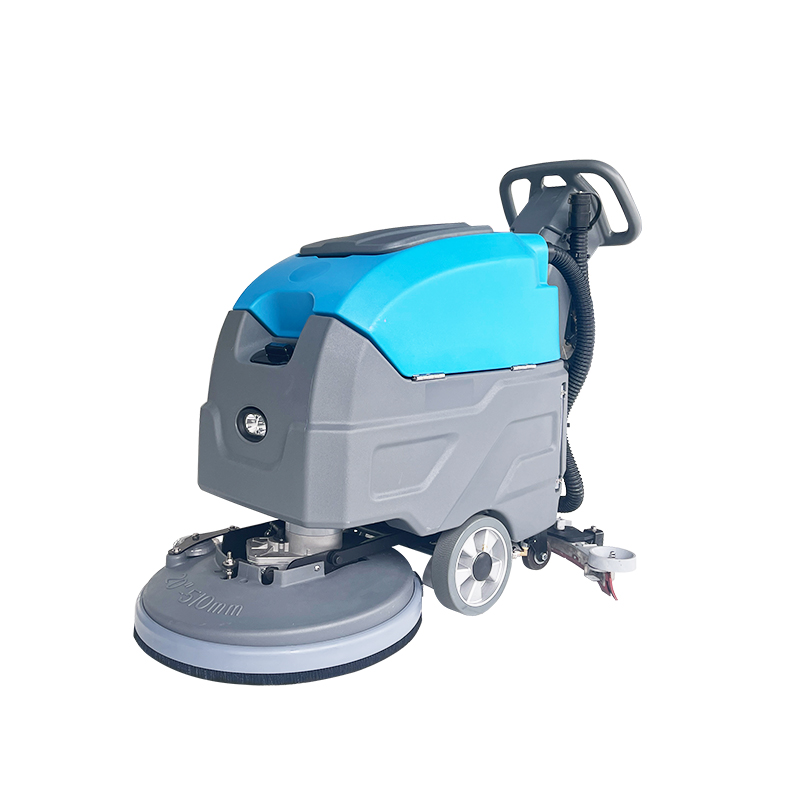 Floor Scrubber
 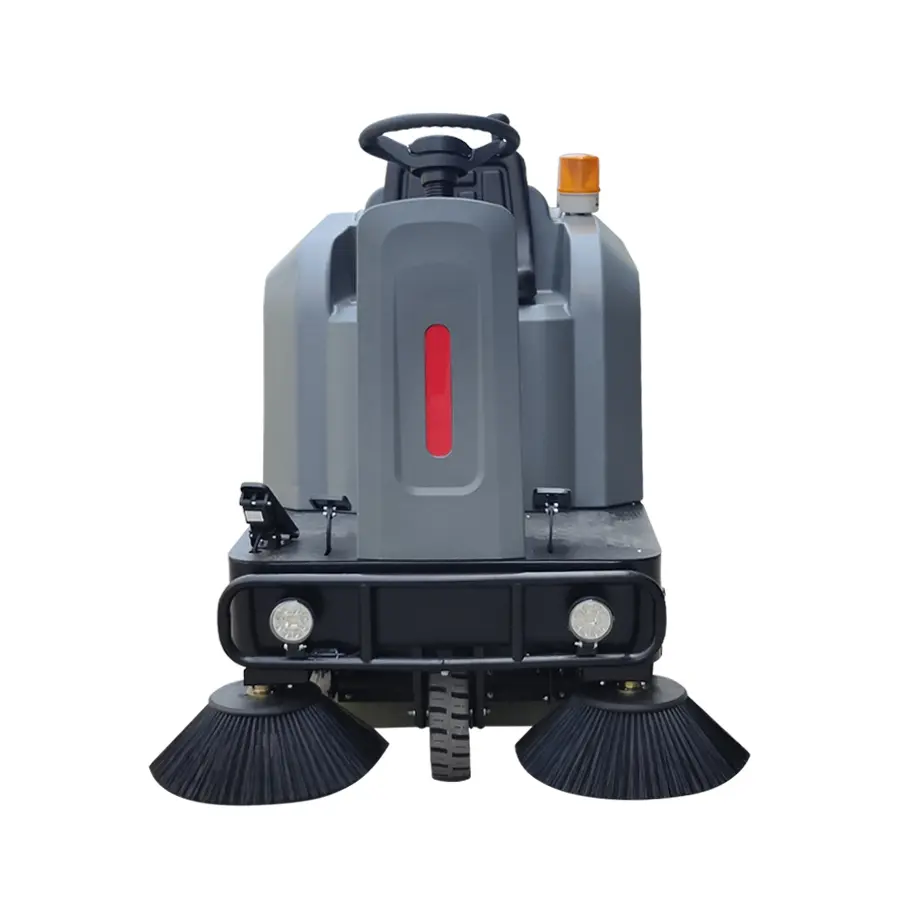 Floor Sweeper
 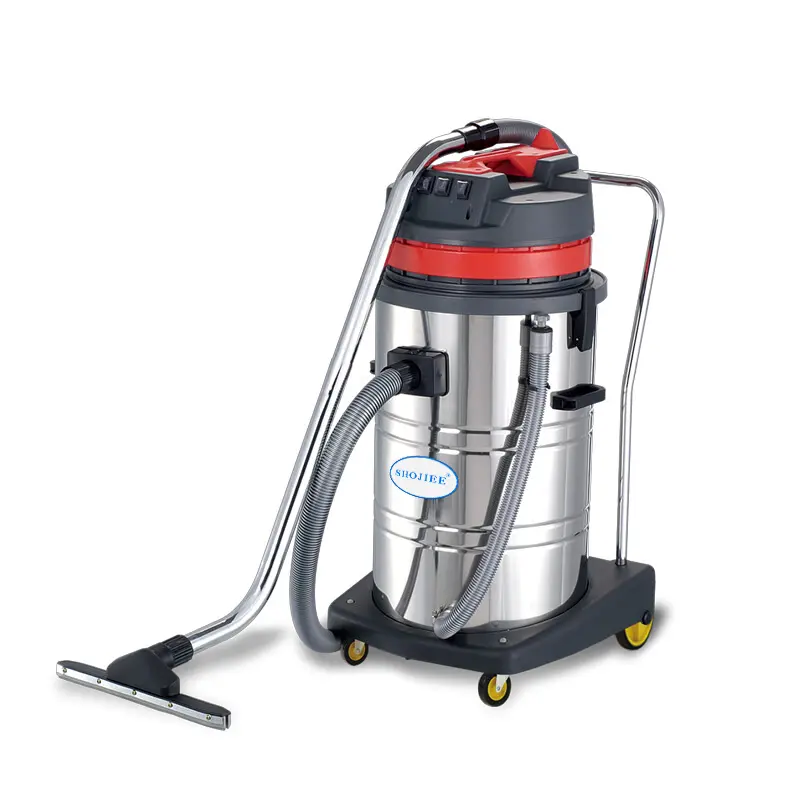 Vacuum Cleaner
  Hotel Cleaning Equipment