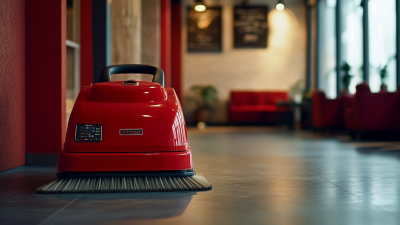
What is a Floor Sweeper and How It Can Transform Your Cleaning Routine
In the fast-paced world of commercial and industrial cleaning, efficiency and effectiveness are paramount. One tool that has gained significant traction in enhancing cleaning routines is the floor sweeper. According to a recent industry report by IBISWorld, the global market for floor cleaning machines, which includes floor sweepers, is expected to grow by over 4% annually over the next five years. This growth is driven by the increasing demand for automated cleaning solutions that offer superior cleanliness and operational efficiency, particularly in large facilities such as warehouses, manufacturing plants, and retail spaces.
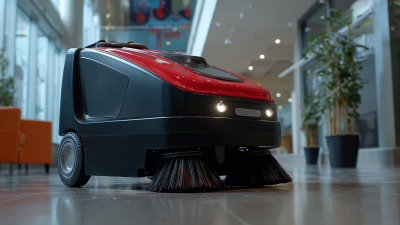
The floor sweeper is designed to streamline the cleaning process by efficiently collecting debris, dust, and dirt from various types of flooring. By utilizing advanced technologies, these machines not only reduce the time and labor associated with manual cleaning but also improve hygiene standards. In a case study conducted by the Cleaning Industry Research Institute, facilities leveraging floor sweepers reported a 25% reduction in cleaning time and a notable improvement in cleanliness levels, showcasing their potential to transform cleaning routines significantly. As organizations increasingly recognize the value of investing in specialized cleaning equipment, the floor sweeper stands out as a pivotal solution in modern cleaning practices.
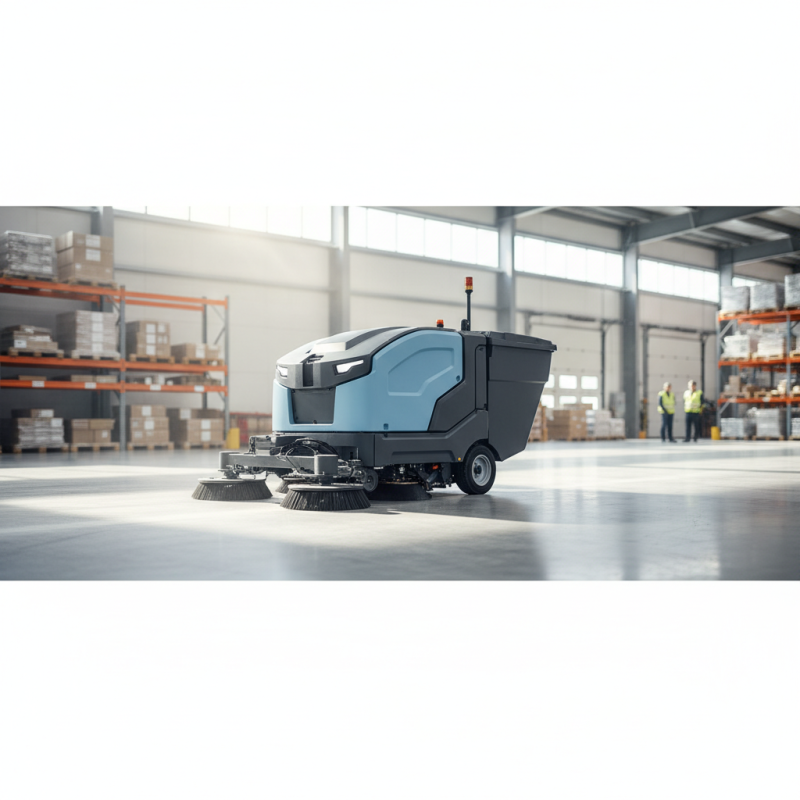
What Is a Floor Sweeper and Its Purpose in Cleaning
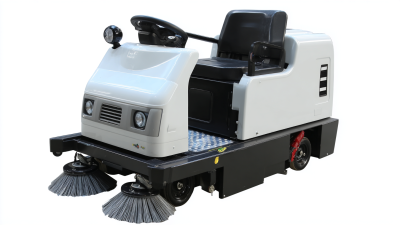
A floor sweeper is an essential tool in maintaining cleanliness and efficiency in both commercial and residential spaces. Its primary purpose is to collect debris and dust from floor surfaces, offering a more systematic solution compared to traditional sweeping methods. According to a report by the National Cleaning Contractors Association, nearly 40% of time spent on cleaning tasks involves manual sweeping and dusting; a floor sweeper can significantly reduce this burden, allowing for more streamlined operations. By effectively capturing dirt and allergens, these machines contribute to improved indoor air quality, which is particularly important in high-traffic areas.
The technology behind floor sweepers has evolved over the years, enabling them to cater to a diverse range of environments. Modern sweepers, equipped with advanced filtration systems, can effectively trap fine dust particles and are designed for various surfaces, including hardwood, tile, and carpet. A study from the International Sanitary Supply Association highlights that using mechanical sweepers can enhance productivity by up to 30% in maintenance cleaning processes. This transformation in cleaning routines not only underscores the efficacy of floor sweepers but also emphasizes the importance of investing in reliable cleaning equipment for better hygiene and operational efficiency.
Types of Floor Sweepers: Manual vs. Electric Models
When it comes to floor cleaning, choosing the right type of sweeper can significantly impact your efficiency and effectiveness. Floor sweepers generally fall into two main categories: manual and electric models, each offering distinct advantages. Manual sweepers are lightweight and require no power source, making them an excellent choice for quick clean-ups or smaller spaces. They are often easier to maneuver and can operate quietly, ensuring minimal disruption in environments such as offices or libraries. However, they may require more physical effort and time, especially for larger areas.
On the other hand, electric floor sweepers bring a level of convenience and power that can transform your cleaning routine. Designed for larger surfaces, they generally can pick up debris more efficiently and are less tiring to use over extended periods. Many electric models also come with advanced features such as adjustable settings for different floor types and built-in filters to capture fine dust particles. While they require access to power and can be heavier, the time saved and the thoroughness of cleaning make them appealing for businesses and homes alike. Ultimately, the choice between manual and electric floor sweepers depends on your specific cleaning needs and preferences.
Key Features to Consider When Choosing a Floor Sweeper
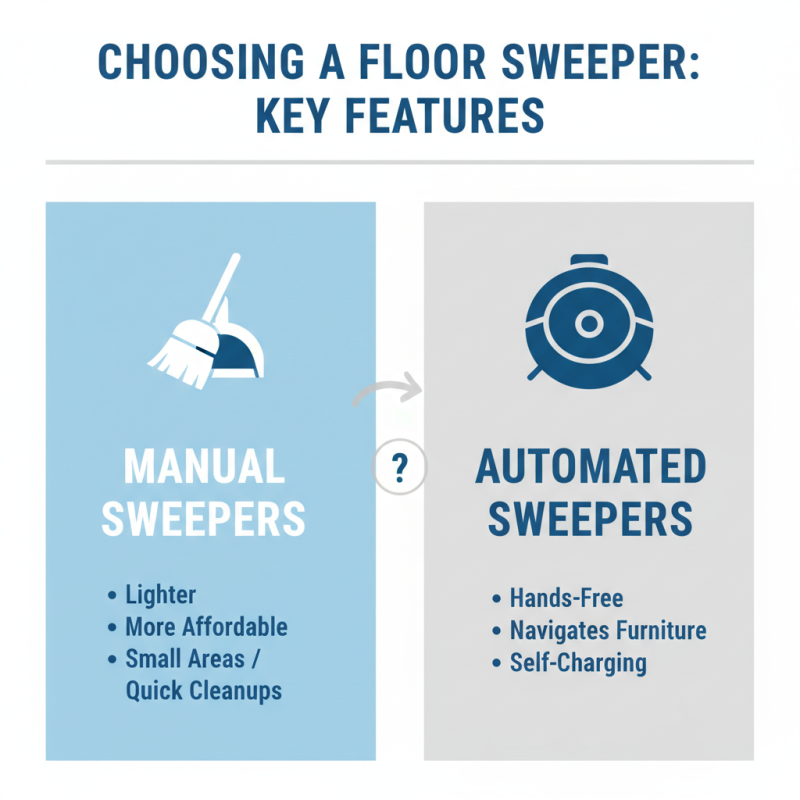
When choosing a floor sweeper, several key features should be taken into account to ensure you select the right model for your cleaning routine. Firstly, the type of sweeper, whether manual or automated, should align with your cleaning needs. Manual sweepers are often lighter and more affordable, making them suitable for quick cleanups in smaller areas. On the other hand, automated sweepers offer the convenience of hands-free operation, effectively navigating around furniture and returning to their charging stations when needed.
Another important consideration is the sweeper's filtration system. For those with allergies or sensitivities, a model equipped with a HEPA filter can be invaluable, as it captures fine dust and allergens, contributing to a healthier living environment. Additionally, look for models with adjustable height settings and a variety of brush types to tackle different surface materials, ensuring a thorough clean across all flooring types. Battery life and charging time are also crucial; efficient models can operate longer on a single charge, allowing you to clean larger areas without interruption. By focusing on these features, you can transform your cleaning routine with a floor sweeper tailored to your specific needs.
How to Effectively Use a Floor Sweeper for Optimal Results
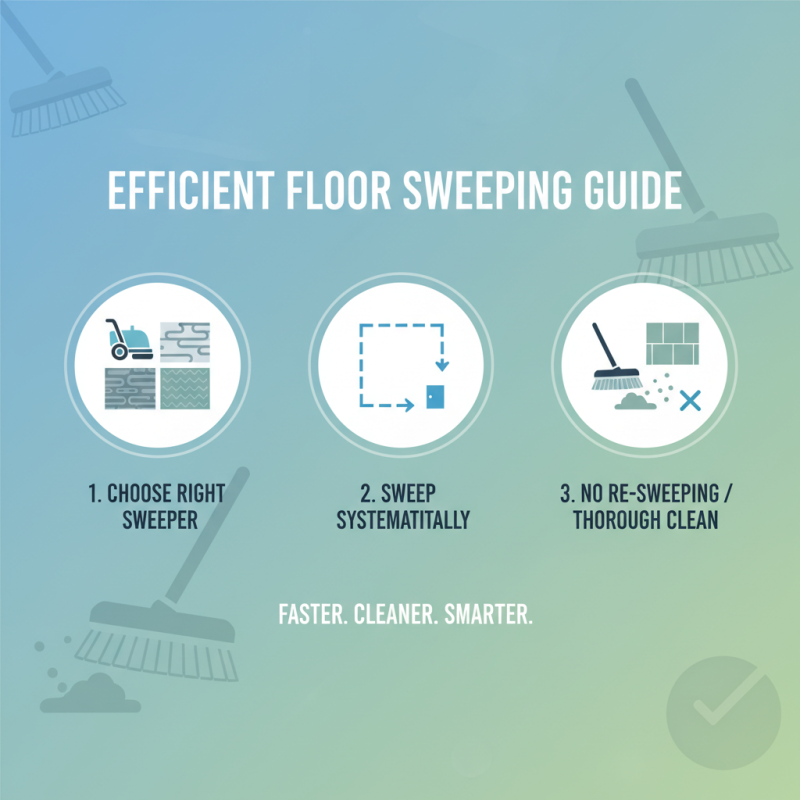
Using a floor sweeper can dramatically enhance your cleaning routine, making it faster and more efficient. To achieve optimal results, it's essential to understand how to use this tool effectively. Begin by ensuring that the floor sweeper is appropriate for the type of surface you are cleaning. Sweeping should always be done in a systematic manner, starting from one corner of the room and moving methodically toward the exit. This approach prevents the need to re-sweep areas and ensures that no dirt or debris is left behind.
Tips for using a floor sweeper include checking the sweeper's collection bin regularly. A full bin can hinder performance, so empty it as needed to maintain suction power. Additionally, try sweeping during off-peak hours when foot traffic is minimal. This allows you to cover larger areas without interruption. Lastly, pay attention to any difficult-to-reach spots, as these can accumulate dirt over time. Using the sweeper in tight spaces with precision can lead to a spotless finish.
Regular maintenance of your floor sweeper is crucial for longevity and efficiency. Keep the brushes clean and free of tangled hair or debris, and periodically inspect the belts and batteries if applicable. By following these tips and implementing a consistent sweeping routine, you can ensure that your cleaning efforts yield the best possible results.
Benefits of Integrating a Floor Sweeper into Your Cleaning Routine
Integrating a floor sweeper into your cleaning routine can significantly enhance both efficiency and effectiveness. According to a report by the International Cleaning Industry Association, the use of floor sweepers can reduce cleaning time by up to 40%. This is particularly advantageous for large facilities, where manual sweeping can be time-consuming and labor-intensive. By automating this task, organizations can allocate their resources to other essential operations while maintaining a high standard of cleanliness.
Moreover, floor sweepers often incorporate advanced filtration systems that capture dust and allergens more effectively than traditional cleaning methods. A study published in the Journal of Environmental Health suggests that utilizing a floor sweeper can decrease airborne particulates by approximately 30%, providing a healthier environment for occupants and staff. This is especially important in settings such as hospitals and schools, where cleanliness directly impacts health outcomes. By adopting floor sweepers in their cleaning protocols, organizations not only streamline operations but also enhance the overall wellbeing of their spaces.
What is a Floor Sweeper and How It Can Transform Your Cleaning Routine
| Feature |
Description |
Benefits |
| Automation |
Many floor sweepers come with automated features that allow for hands-free operation. |
Saves time and labor, allowing staff to focus on other cleaning tasks. |
| Efficiency |
Designed to cover large areas quickly compared to traditional manual cleaning. |
Increases productivity, leading to a consistently clean environment. |
| Ergonomics |
User-friendly designs reduce strain on the back and arms. |
Promotes worker health and safety, reducing the risk of injury. |
| Versatility |
Suitable for different surfaces, from hard floors to carpets. |
Maximizes cleaning options for diverse environments. |
| Dust Control |
Includes filtration systems that trap fine dust particles. |
Improves air quality and reduces allergens in the environment. |
| Cost-Effective |
Reduces the need for multiple cleaning supplies and tools. |
Lowers overall cleaning costs over time. |

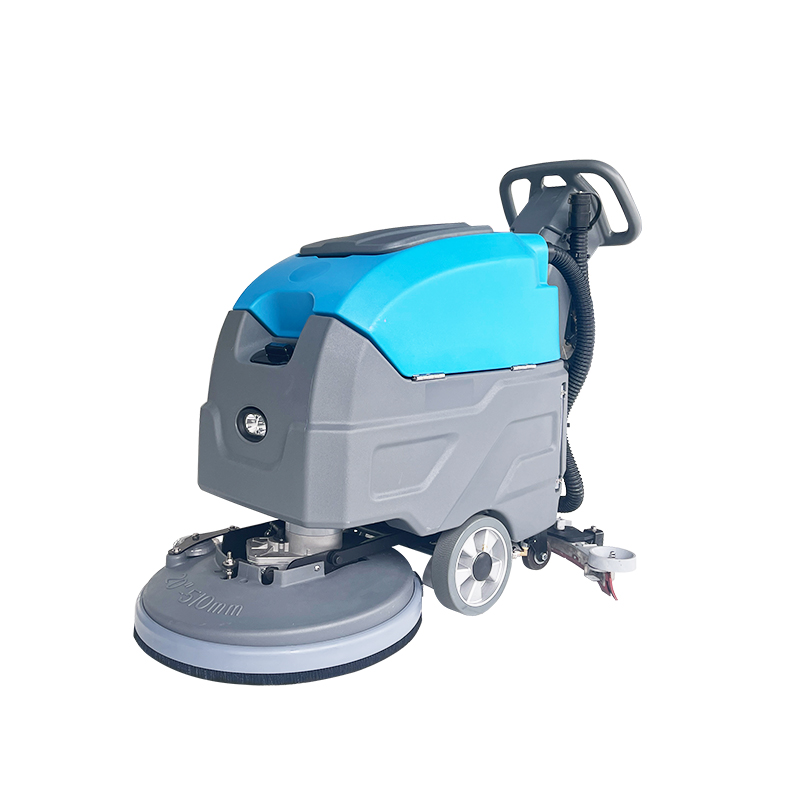 Floor Scrubber
 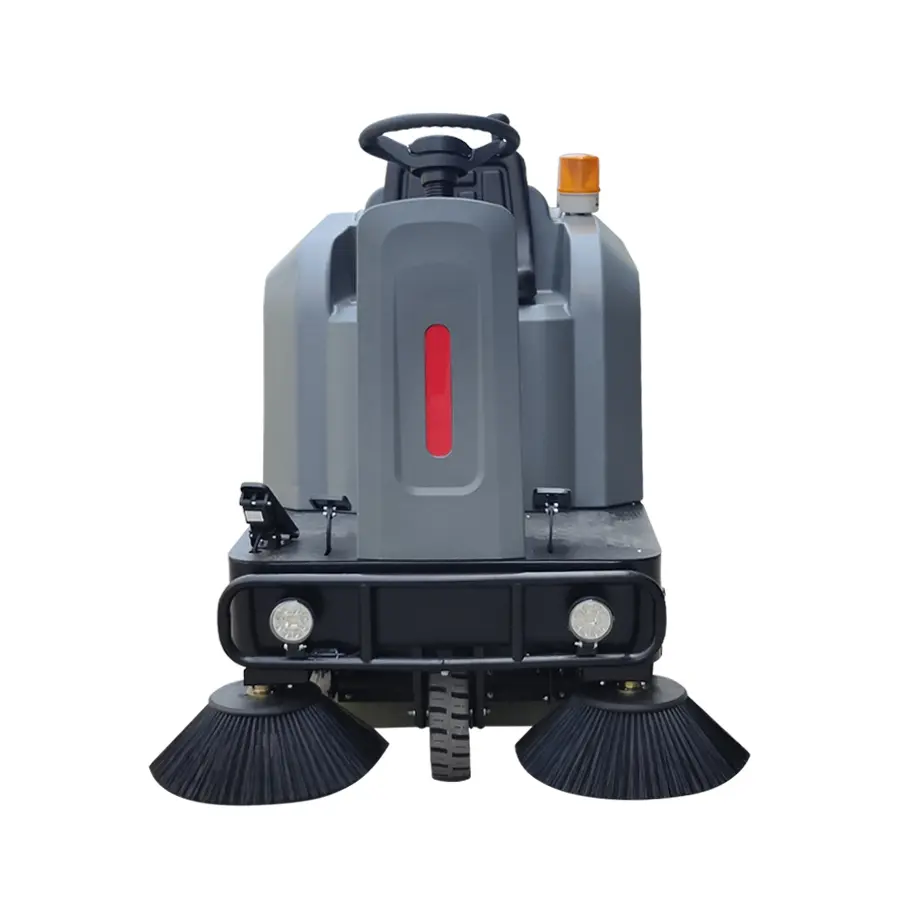 Floor Sweeper
 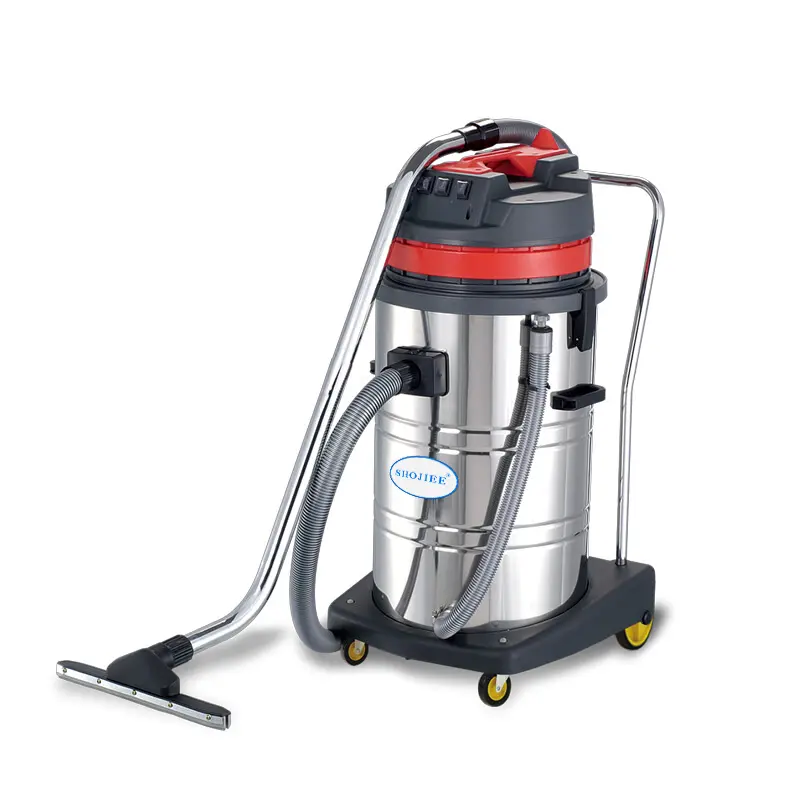 Vacuum Cleaner
 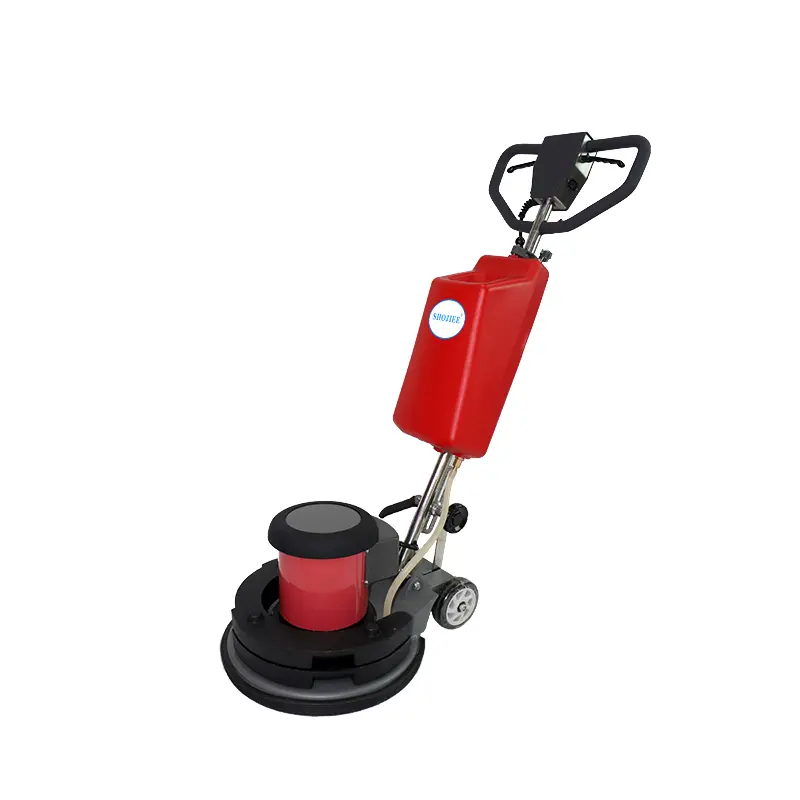 Hotel Cleaning Equipment