Top Tips for Choosing the Best Warehouse Vacuum Sweeper?
Choosing the right Warehouse Vacuum Sweeper can significantly impact operations. A suitable sweeper enhances cleanliness and boosts productivity. However, the decision can be overwhelming. There are various options available, each with unique features and benefits.
Consider the size of your warehouse. A larger space may require a more powerful vacuum. Not all sweepers handle debris equally well; some struggle with fine dust. We should also evaluate the maneuverability of the equipment. A bulky model can hinder efficiency.
Also, think about noise levels and ease of maintenance. Some sweepers operate quietly, while others can be very loud. Regular servicing is necessary for long-term performance. Finding a balance between efficiency and maintenance is not easy. Reflecting on these aspects ensures better decision-making, leading to a cleaner warehouse.
Understanding the Importance of Warehouse Vacuum Sweepers
Warehouse vacuum sweepers play a crucial role in maintaining cleanliness and safety. They help businesses comply with health and safety regulations. A clean warehouse can reduce accidents caused by slips or falls. According to a report by the Occupational Safety and Health Administration (OSHA), maintaining a clean work environment can lower injury-related costs by up to 30%.
Effective vacuum sweepers can enhance productivity. Dust and debris can create unsuitable working conditions. A study published by the National Institute for Occupational Safety and Health (NIOSH) noted that improved air quality can lead to a 15% increase in employee efficiency. Workers are less distracted and can focus more on their tasks. Neglecting this aspect can hinder operational efficiency.
Consideration also needs to be given to the type of vacuum sweeper. Not all sweepers are created equal. Some might pick up debris but may not handle fine dust effectively. Choosing the wrong model could result in equipment that does not meet the specific needs of your warehouse. Workers may express frustration if their tools fail to perform efficiently. These flaws require reflection and adjustment to improve overall performance.
Top Tips for Choosing the Best Warehouse Vacuum Sweeper
| Feature |
Importance |
Considerations |
| Suction Power |
Critical for effective debris removal |
Look for models with adjustable power settings |
| Filtration System |
Prevents dust and allergens from escaping |
Consider HEPA filters for enhanced air quality |
| Maneuverability |
Ease of use in tight spaces |
Choose models with swivel wheels or compact design |
| Capacity |
Determines how often the vacuum needs to be emptied |
Select a larger tank for high-traffic areas |
| Noise Level |
Impacts working environment and employee comfort |
Look for quieter models, especially for daytime use |
| Durability |
Affects long-term operational costs |
Choose a vacuum with robust materials and good warranty |
| Energy Efficiency |
Reduces power consumption and operating costs |
Look for energy-star rated models |
Key Features to Consider When Selecting a Vacuum Sweeper
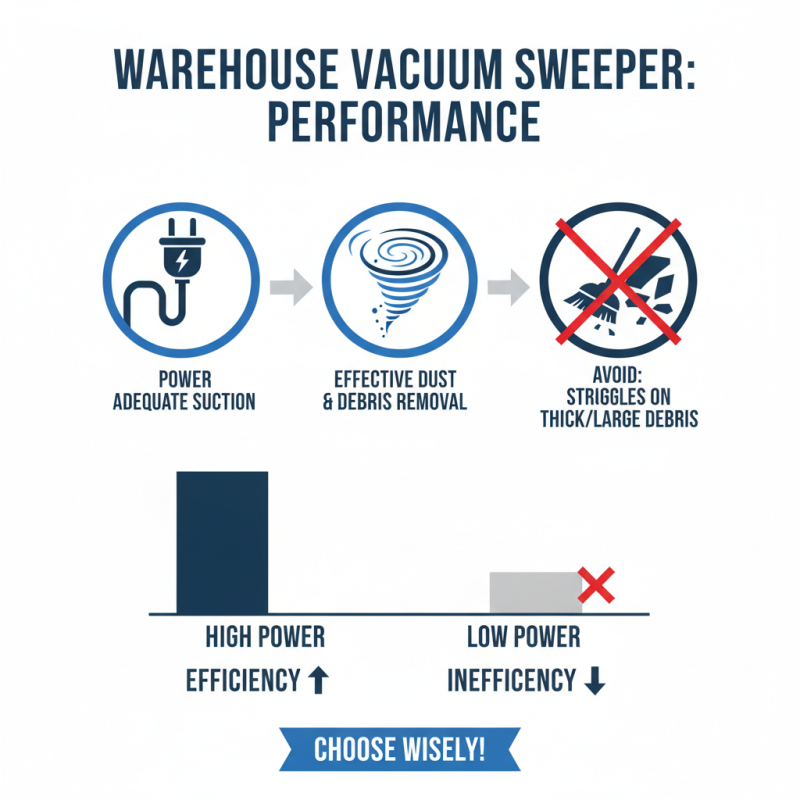
When choosing a warehouse vacuum sweeper, several features warrant careful consideration. One critical aspect is the suction power. A strong suction ensures effective debris removal. It is essential for maintaining clean floors, especially in high-traffic areas. Pay attention to the wattage specifications. Higher wattage can mean better performance.
Portability is another vital feature. Warehouse sizes vary significantly. Some vacuums are designed to be lightweight and easy to maneuver. This can help reduce the time spent cleaning large spaces. Examine the size and weight carefully. Can one person handle it comfortably, or is it too bulky?
Consider the filtering system as well. A good vacuum sweeper should have a high-efficiency filter. This feature minimizes dust and allergens that can affect air quality. Check the maintenance requirements. Filters that are easy to clean or replace save time and money in the long run.
Ultimately, understanding your specific cleaning needs will guide you in making the right choice. Be prepared to weigh the benefits and drawbacks of each option. Choosing wisely can make a significant impact on your cleaning routine.
Types of Warehouse Vacuum Sweepers and Their Applications
When selecting a warehouse vacuum sweeper, it's essential to understand the different types available and their specific applications.
Electric sweepers are efficient for indoor use. They minimize emissions and are quiet, which is critical in a busy warehouse environment.
According to industry reports, electric sweepers can improve air quality by reducing dust levels by up to 50%. However, they may struggle in larger outdoor areas.
On the other hand, gasoline-powered sweepers offer more power for extensive and rugged applications. They are suitable for outdoor use.
These machines can cover larger spaces but often operate with higher noise levels and emissions.
A study indicates that gasoline sweepers can increase productivity by 30% in outdoor settings. Yet, maintenance can be challenging due to fuel management and emissions standards.
In addition, manual sweepers might seem cost-effective. They don't need fuel or electricity, making them easy to operate.
However, their efficiency is limited, especially in larger warehouses. Reports show that manual sweeping may require double the time compared to mechanical options.
Choosing the right type involves balancing efficiency, noise levels, and maintenance needs, which can be a tough decision for warehouse managers.
Budgeting for Your Warehouse Vacuum Sweeper Purchase and Operation
When budgeting for a warehouse vacuum sweeper, it’s essential to consider both initial and ongoing costs. The price of industrial vacuum sweepers can vary widely, often ranging from $1,500 to over $20,000. Organizations need to assess their specific needs. For instance, a small warehouse may benefit from a basic model, while a larger facility may require advanced features.
Operating costs should not be overlooked. Regular maintenance is crucial to keep the sweeper running efficiently. Industry reports indicate that preventive maintenance can lower total operating costs by up to 30%. Additionally, factors such as electricity consumption and filter replacement can add to monthly expenses. Each filter change generally costs around $100, adding to the budget.
Investing in a more efficient vacuum sweeper may yield long-term savings. A machine that reduces cleaning time by 50% can significantly impact labor costs. However, decision-makers often hesitate, worrying about upfront expenses. Balancing performance and price requires careful consideration and planning. Understanding these financial implications helps in making a more informed purchase.
Warehouse Vacuum Sweeper Budget Breakdown
This bar chart represents the budget breakdown for purchasing and operating a warehouse vacuum sweeper. Key categories include the initial purchase price, ongoing maintenance, operational costs, repair expenses, and additional accessories. Understanding these costs can help in making informed decisions when investing in warehouse cleaning equipment.

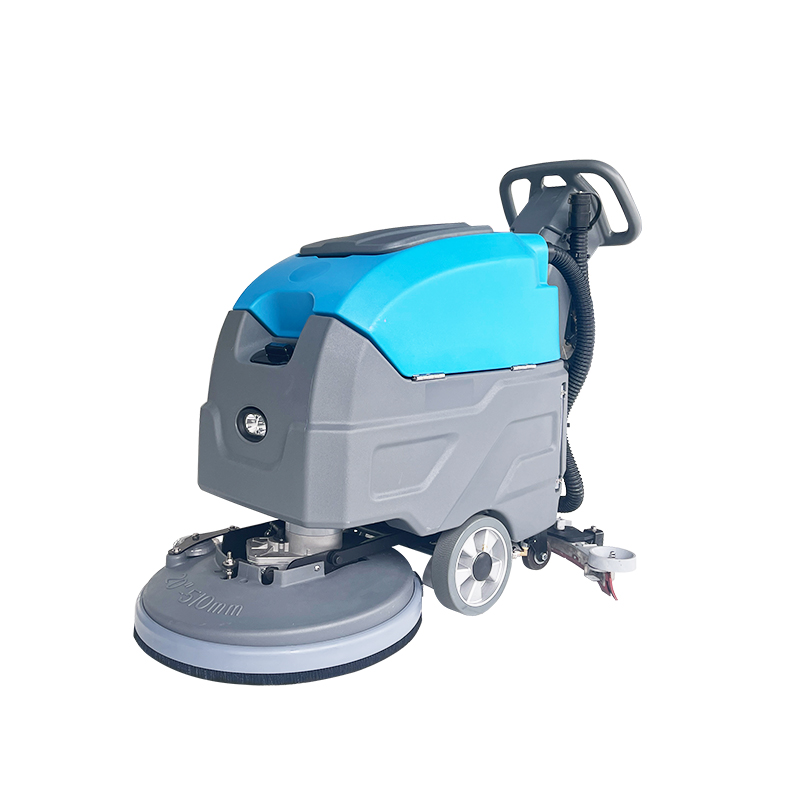 Floor Scrubber
 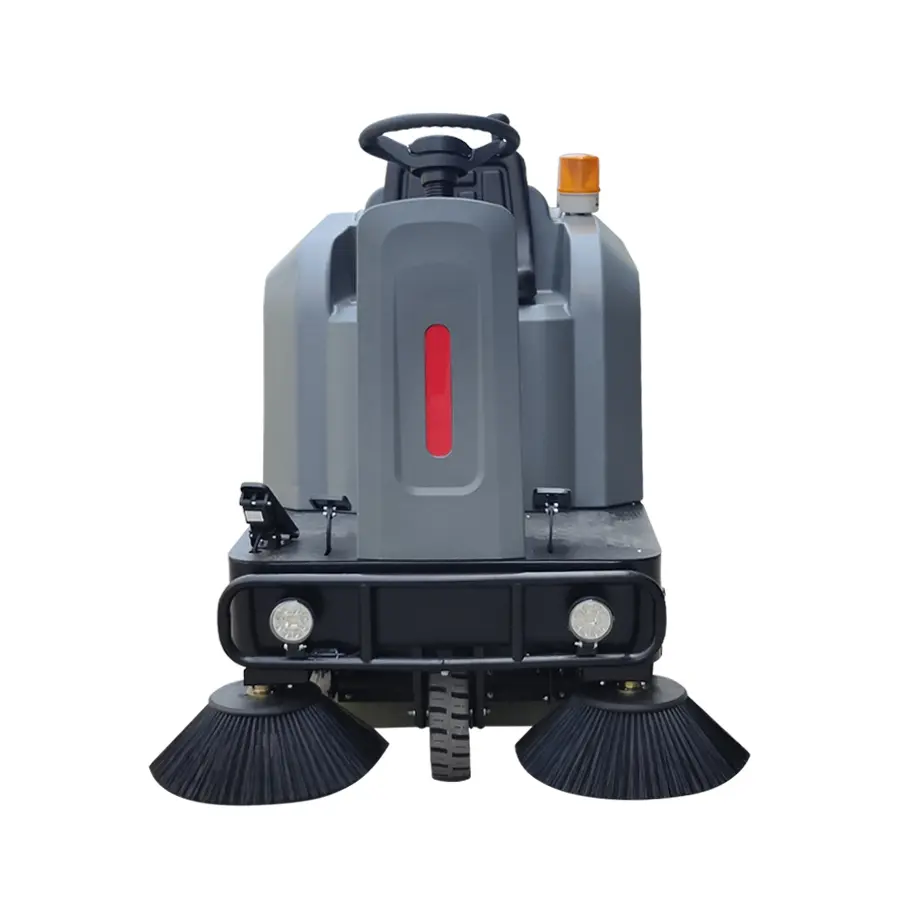 Floor Sweeper
 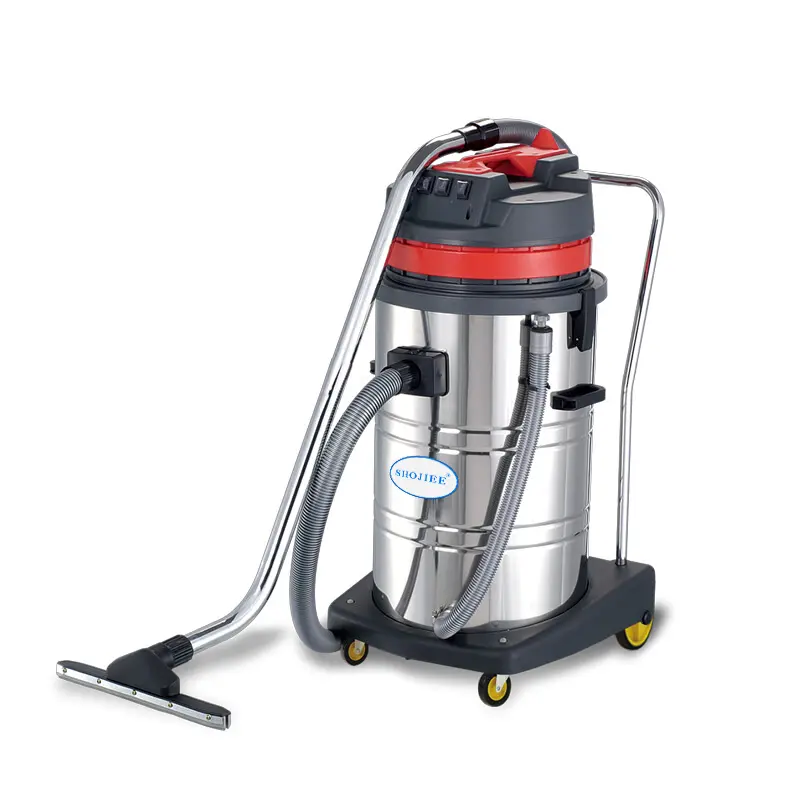 Vacuum Cleaner
 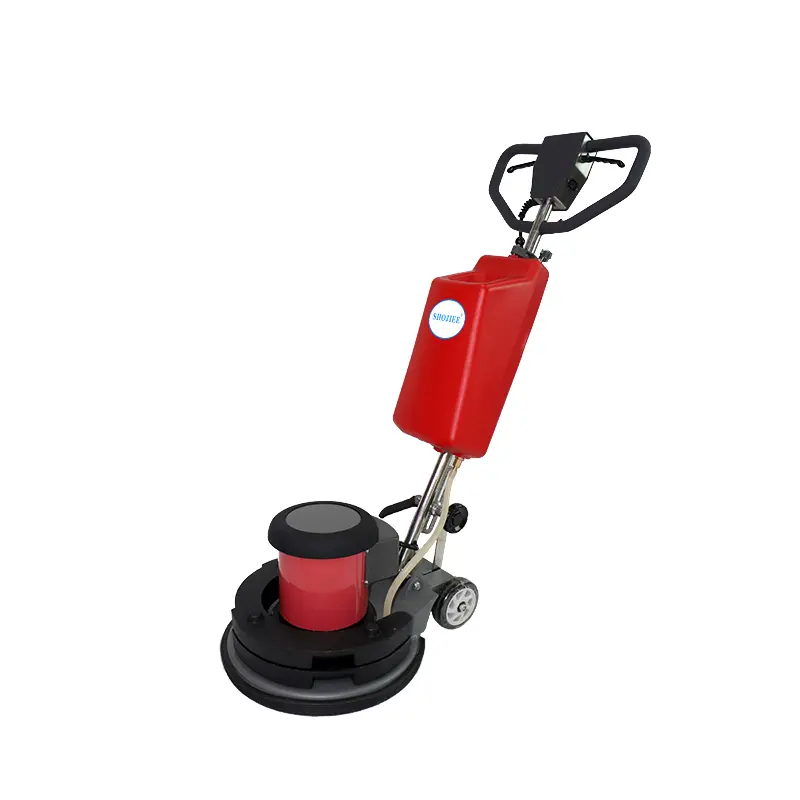 Hotel Cleaning Equipment